

Reflecting on my own childhood growing up in rural Mid-Devon I was probably never happier than when in the countryside, surfing on the beaches of North Devon, running over Woodbury Common or walking across Dartmoor. COVID and lockdown reminded us all not to take open spaces and fresh air for granted, and this was reinforced recently when a brief period of sunshine in the Pang Valley highlighted the beauty of our pitches, woodlands and the emergence of the daffodils in time for St David’s Day. In schools such as Bradfield College outdoor activities are not seen as optional extras but as essential for student health, resilience, and personal growth. From cross-country running to the Combined Cadet Force (CCF), Duke of Edinburgh expeditions, walking, golf, and bushcraft, these experiences equip young people with physical strength, emotional balance, and life skills. When these activities take place in a beautiful chalk stream rural Pang Valley, the benefits are amplified by the unique restorative power of the landscape.
In this blog, I explore how outdoor programmes support student health and development, drawing on research and the insights of Rewild Your Mind by Nick Goldsmith and Microadventures by Alastair Humphreys.
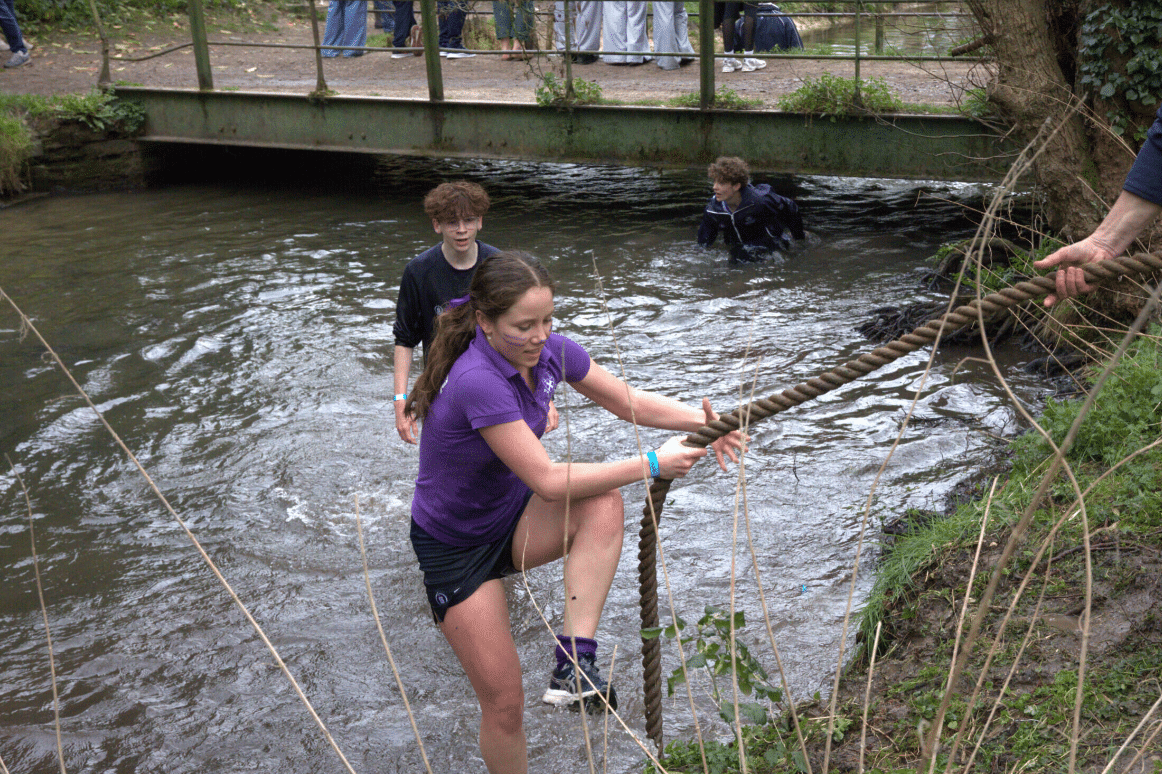
Modern research confirms what many educators and outdoor leaders have long believed: spending time in nature improves physical and mental well-being. A growing body of evidence shows that interacting with green spaces can reduce stress, improve attention, and enhance mood in young people. For example, time spent outdoors has been linked with lower cortisol (a stress hormone), decreased anxiety, and improved cognitive function in students. Whilst some pupils may find the thought of completing the “Steeplechase” (6.5km cross country) stress enducing, by the time they swim under the Iron Bridge and scramble up the muddy bank helped by friends there are smiles on every face. If we are complicit in requests from our children to “get them out of….” we are denying them an opportunity for growth.
In Rewild Your Mind, Nick Goldsmith (an ex-Royal Marine friend who set up the Woodland Warrior programme near Bath) describes how reconnecting with the natural world, what he calls “rewilding” our minds, helps counteract the effects of modern stressors like constant screen use and over-scheduled lives. Goldsmith argues that nature is not just a backdrop for activities but an active force in emotional restoration, helping students build inner calm, curiosity, and resilience.
Whilst it is possible to live a “happy” life by avoiding challenge, I have always preferred the contentment that comes with completing a challenge. The Norwegians have a term called the “Doorstep Mile” which refers to the mental barriers we put in the way of attempting feats which risk testing our physical and mental boundaries. Alastair Humphreys, in his book Microadventures, emphasises that we don’t need to climb mountains, complete ultra-marathons and ironmen triathlons or swim the channel. Adventure doesn’t require distant lands or extreme acts of physical fitness. Meaningful experiences can happen in a local setting if approached with curiosity and openness. Together, these authors help make the case that everyday outdoor engagement is both accessible and powerful for students. Some examples from daily Bradfield life are exemplified in more detail as follows:
Cross Country Running: Beyond the Finish Line
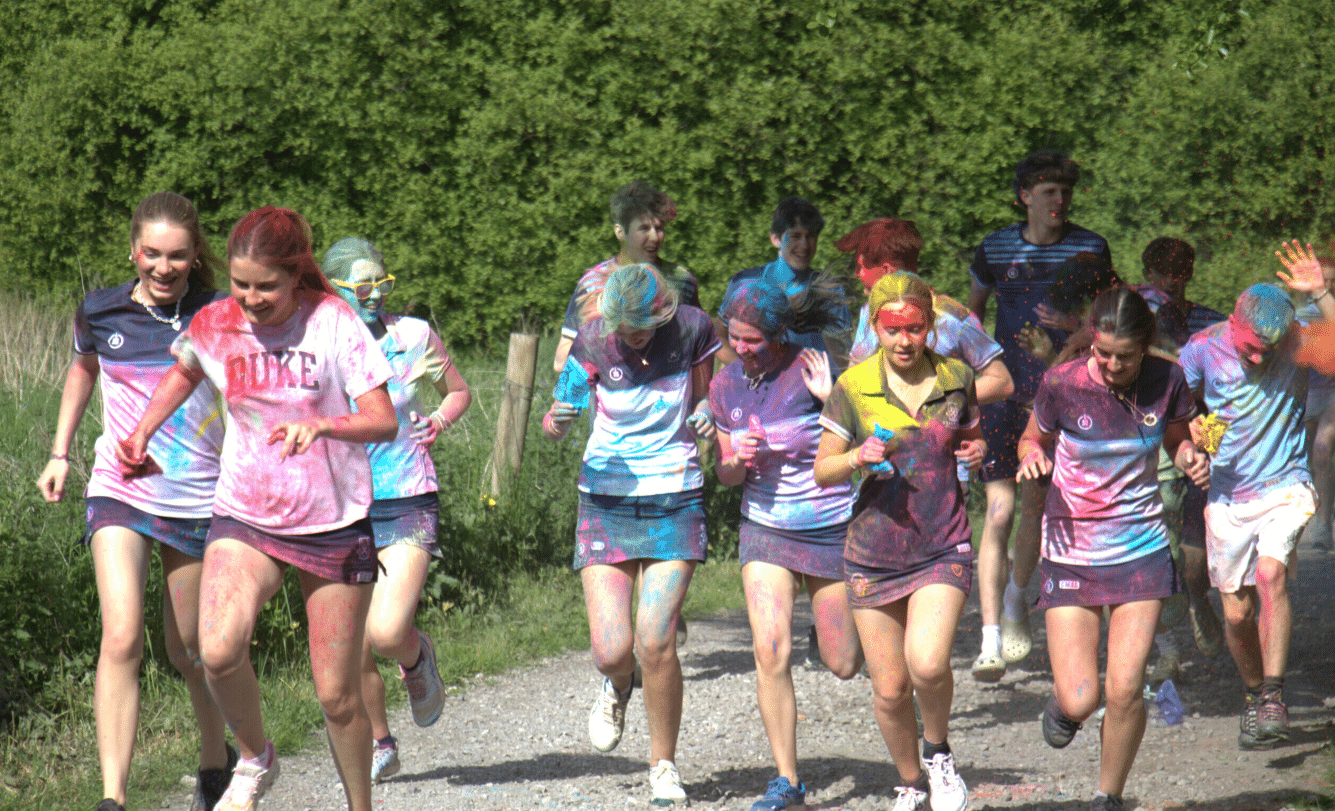
Cross country running, whether through fields, woods, or along the River Pang, offers more than aerobic fitness. Running over variable terrain engages different muscle groups, strengthens heart health, and boosts stamina. Research shows that regular aerobic activity like running can reduce symptoms of depression and anxiety and support self-esteem in adolescents. It is possible to run many kilometres of bridleways and byways in the Pang Valley either in cross country club or as a solo sortie and barely touch tarmac. Deer and daffodils, birds and bluebells, scratches and sunsets add to the experience and “chatting speed” with a friend is the perfect gauge of aerobic exercise. The beauty of cross country is not just in physical exertion but in the experience of moving through landscapes that are alive and changing with the seasons, creating memorable sensory experiences that can anchor positive associations between exercise and well-being.
CCF: Discipline, Teamwork, and Outdoor Confidence
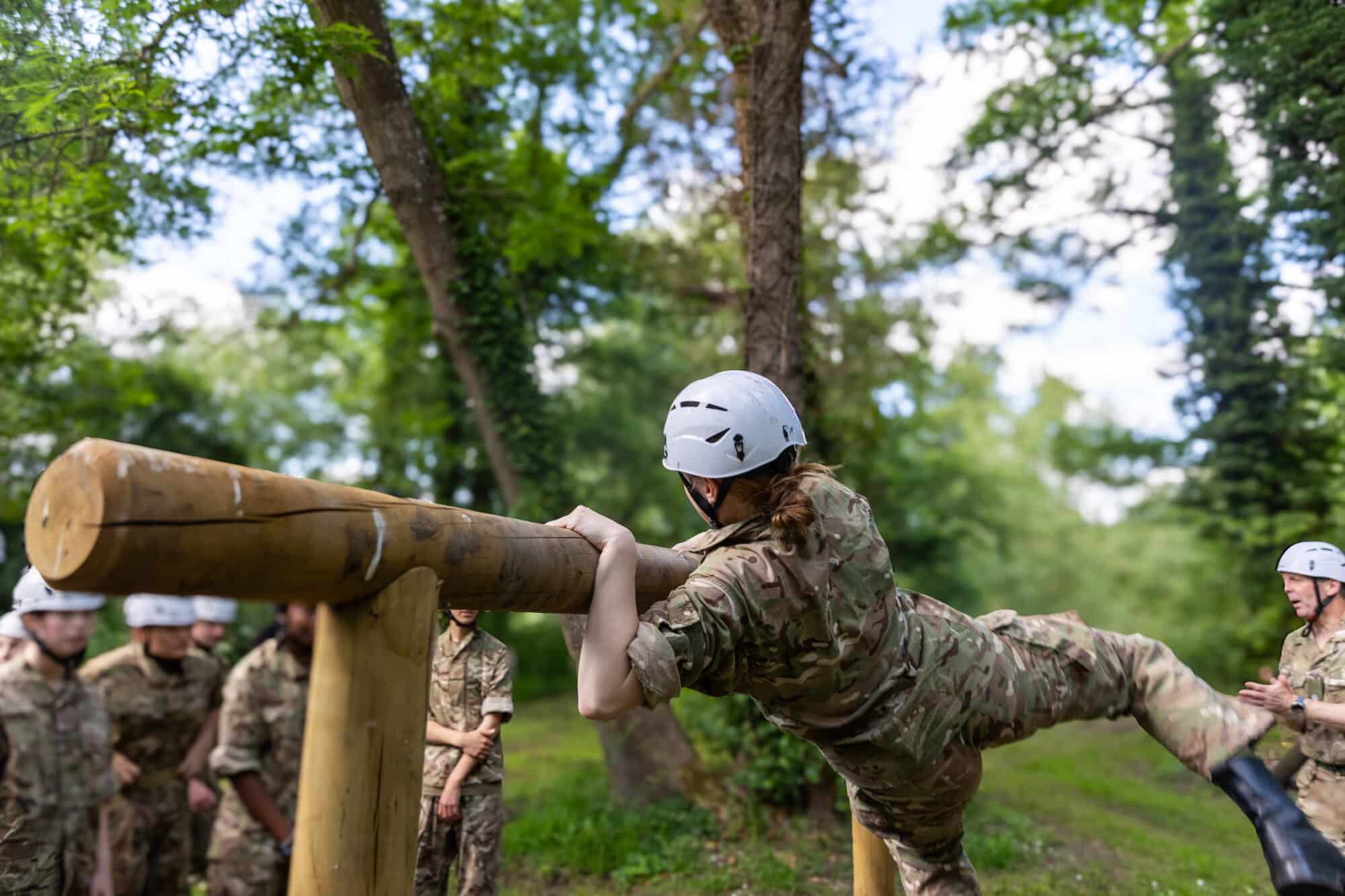
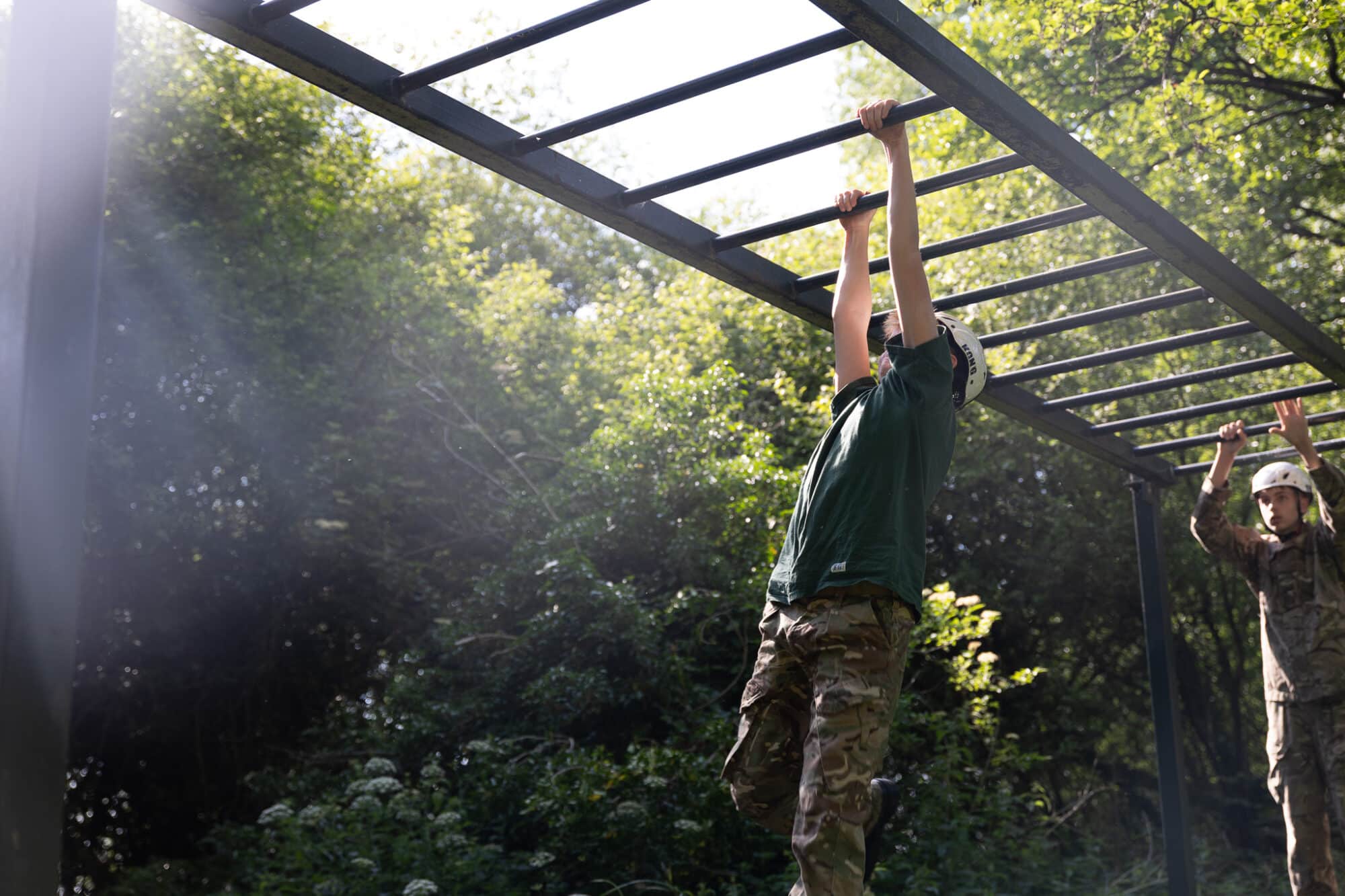
The Combined Cadet Force (CCF) and the Faulkner’s Expedition to the Brecon Beacons consciously introduce students to structured challenges that build leadership, teamwork, and resilience. Many CCF activities, from fieldcraft to navigation exercises, take place outdoors and require students to think on their feet, communicate clearly, and support one another. Whether completing the “Gun Run” at Commem, navigating the obstacle course or completing our orienteering challenge the pupils learn to work together under pressure using recently acquired skills.
Studies on youth development indicate that programs combining physical challenge, responsibility, and community are associated with greater confidence and social skills in adolescents. Because these activities happen in nature, whether sleeping out in wet woods or completing a section attack in the water meadows, students also gain the stress-reducing benefits of green environments. Goldsmith’s perspective in Rewild Your Mind reinforces this: nature is not just scenery but part of the learning process. When students learn outdoors, they engage multiple senses; sight, sound, smell, touch, which deepens memory, self-awareness, and emotional regulation.
Duke of Edinburgh: Walking With Purpose
The Duke of Edinburgh (DofE) Award challenges students to undertake expeditions, skill development, and service. The walking components of DofE, whether short hikes in the New Forest and Bucklebury, or multi-day treks on Dartmoor and Snowdonia, have clear physical benefits: increased cardiovascular fitness, muscular strength, and endurance. But there’s more — research suggests that extended time in nature during activities like walking can improve mood, reduce mental fatigue, and strengthen psychological resilience. I have to declare some self interest here, as there is also great pleasure to be found as a staff member helping out on the Bronze expedition in particular, as I try to work out whether my favourite check point includes the sausage roll at Vicar’s Game, the pastry from Yattendon Village stores, or rehydrating whilst enjoying the view from the Pot Kiln.
Walking through tough terrain creates a setting for both physical challenge and emotional restoration. The rhythm of footsteps, the sound of water over stones, and the ever-changing colours of the landscape offer a form of moving meditation that supports both body and mind. A rainy National Park with a heavy pack, the odd blister and occasional navigational error is aptly categorised as what American mountaineer Rainer Newberry calls “Type 2 Fun” – activities that aren’t fun while they’re happening, but memory makers which are fun in retrospect. Humphreys’s Microadventures makes the case that this sense of exploration and achievement is not just a distance conquered but is confidence earned.
Walking: Simple Yet Profound
Walking is perhaps the most accessible form of outdoor exercise and many pupils and staff at Bradfield clock up tens of thousands of steps every day. Regular walking, particularly to “Up The Hill” boarding Houses and sports pitches increases heart and lung health, supports joint mobility, and strengthens muscles. Additionally, walking in green environments has been shown to improve mood and self-esteem more than walking in urban spaces. In a school setting, whether it’s a short walk between lessons where you spy a pheasant, muntjac or red kite behind Science or more purposeful power walking with Mr Hanbury in the fields and woods on a games afternoon, they can both offer moments of calm, clarity, and social connection.
Bradfield Golf: Focus and Connection
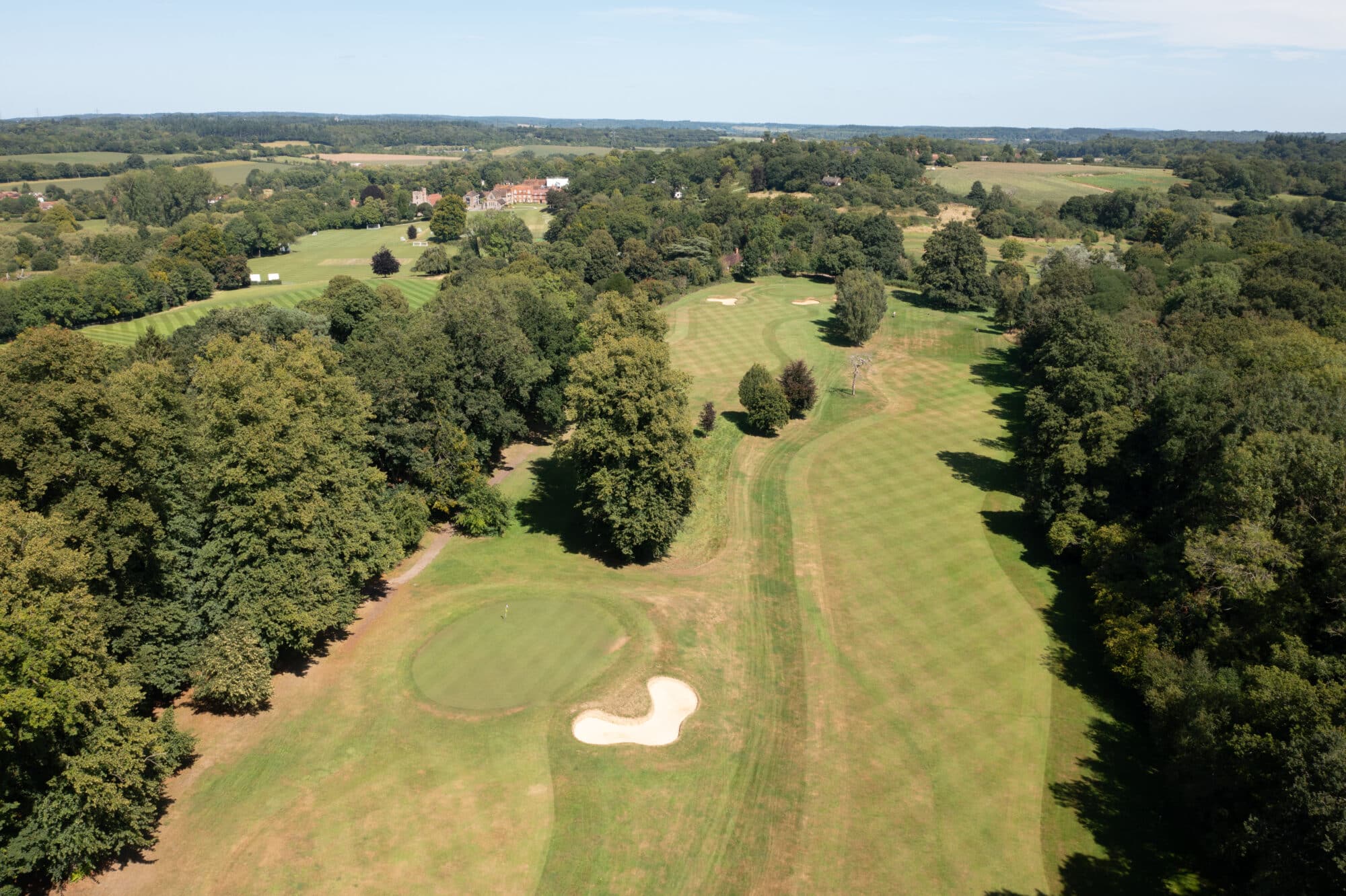
Mark Twain described golf as “A good walk spoiled”, which is very much my sentiment as I wade into the “Limpopo” stream to collect my ball from the 6th tee, or the 2nd, or the 3rd, 4th or 5th. Golf is sometimes associated with an older cohort of enthusiast, but it has real health benefits for students. A round of golf on the beautifully maintained course here at Bradfield typically involves walking long distances, sometimes exploring uneven terrain and heavy rough. I live on Hill 2, and while the sound of lawn mowers last week may prematurely have heralded that Spring has sprung, it is the clinking of clubs of an evening as boys and girls walk down to the course which indicates that longer days, warmer days have arrived.
Studies suggest that moderate-intensity physical activities like golf can support mental well-being, particularly when experienced in green natural settings. The calm focus required in golf can also enhance patience and mindfulness, qualities that serve students both on and off the course. Playing golf in our rural setting framed by rolling hills in fourballs of family and friends deepens the connection between physical health and natural beauty.
Bushcraft: Problem-Solving and Respect for Nature
Bushcraft engages students in real-world skills such as shelter-building, fire safety, and tool use. Beyond the practical aspects, bushcraft encourages creative problem-solving, patience, and resilience. These activities require students to pay attention to the environment, observe details, and adapt to changing conditions. Goldsmith’s Rewild Your Mind highlights the benefit of direct contact with natural processes; working with wood, water, earth, and fire as a way to cultivate respect for nature and a deeper sense of belonging. Bushcraft experiences help students see themselves as part of the natural world, not separate from it. Whilst these are currently delivered as part of the CCF programme there are ongoing and active discussions as to how we can make more of the nature reserve down by the River Pang and the various blocks of woodland on site.
Living in a Chalk Stream Rural Valley: A Natural Advantage
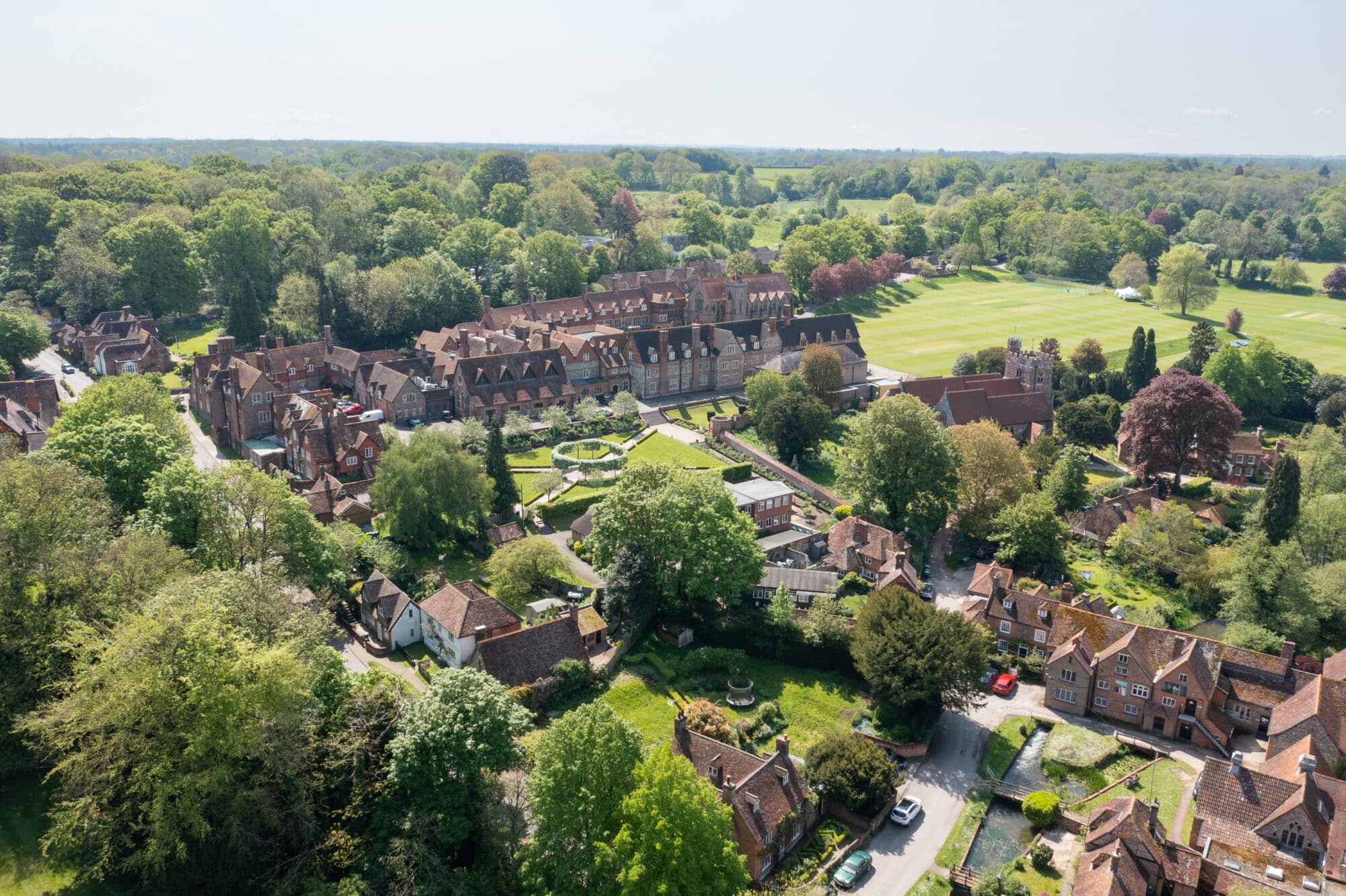
Whether you enjoy casting a fly, walking along the banks of the river, playing pooh sticks from the Iron Bridge or watching the trout below the Mill, we are privileged to live in a chalk stream valley, which is characterised by clear water, rich biodiversity, and rolling grasslands. Research in environmental psychology shows that natural beauty enhances restorative experiences, reduces mental fatigue, and supports emotional well-being. I am incredibly lucky to teach Geography in one of the Quad classrooms and at this time of the year the final lesson of the afternoon coincides with stunning sunsets across Quad, Pit and Rectory. The combination of green space, perspective and the setting sun are a fleeting reminder of beauty and the cyclical nature of life in school.
Final thoughts
I hope no pupil takes for granted their great fortune to live in such an area of bucolic beauty. The outdoor activities and opportunities are consciously created and central to the experience of being a Bradfieldian. It is no coincidence that Old Bradfieldian authors such as Richard Adams and Louis de Berniere include the natural narrative of environment so centrally in their writing. Whether refining endurance in cross-country running, cultivating leadership in CCF, exploring personal limits on Duke of Edinburgh expeditions or discovering calm in simple walks, each activity supports Bradfieldians’ physical health, mental resilience, and emotional balance.
Books like Rewild Your Mind and Microadventures remind us that nature is not a distant prize but a living resource available to everyone and that adventure and restoration often lie close at hand. I hope that by reading this you are nudged to overcome that “Doorstep Mile” and to think of a microadventure for you or your family. Nestled in the rural PangValley the natural world becomes both classroom and sanctuary, helping us all grow stronger, more confident, and more connected to each other and to the world around us.

