On Thursday the 5th March, like many other schools up and down the country we celebrated World Book Day. World Book Day as we now know it first launched in the UK in 1998 in response to concerns over poor reading and writing standards. Its origin can be traced back to the 1920s and comes from a Catalonian tradition of giving away books to friends and family in honour of the Spanish author, Miguel de Cervantes. It is traditionally celebrated on April 23rd, but the UK decided to move our version of World Book Day to March, so that it falls in term time and can be celebrated at school.
Some schools go all out and ask their teachers to come in fancy dress as their favourite book character (maybe next year…) but here at Bradfield we are using this year’s World Book Day as part of a bigger campaign to get more of our pupils reading for pleasure a bit more often.
The research is overwhelming on the benefits of reading for pleasure; reading has been shown to enhance academic performance, social engagement and personal development. It can expand horizons, spark imagination, and even have a positive impact on wellbeing. The more a child reads, the more likely they are to be exposed to new ideas and narratives, which can help them develop empathy. Fiction can help teens by providing significant insights into mature relationships, personal values and cultural identity, all of which are important in the transition from being a child to becoming an adult. One study has reported that reading is more important for children’s educational success than their family’s socio-economic status, whilst another study found that reading for as little as six minutes a day can reduce stress levels by 60%.
Research also shows that the UK is experiencing a decline in reading enjoyment, and so to tackle this, the National Literacy Trust has partnered with the Department for Education to launch the National Year of Reading 2026 to help people discover the joy of reading and make it part of their everyday lives. We know that reading often takes a dip in the teenage years as school pressure, screens and social lives grow, and at the same time, our pupil’s interests are deepening and flourishing.
It may be useful to point out here that, as a scientist, my own personal journey with reading has been quite a mixed one, and I can absolutely understand that many people feel they have made their minds up that reading for fun just isn’t for them (anymore) – this was me some years ago. Whilst studying for my PhD, I had to read a lot of scientific articles to ensure I was keeping on top of the most up to date research; pressurised reading without much choice in material did somewhat put me off. Reading has a different feel when you are doing it because you must, particularly when your reading involves scouring the fine print of articles to search for the tiniest of relevant details or ingredients for a reaction (I imagine that AI probably helps with this now).
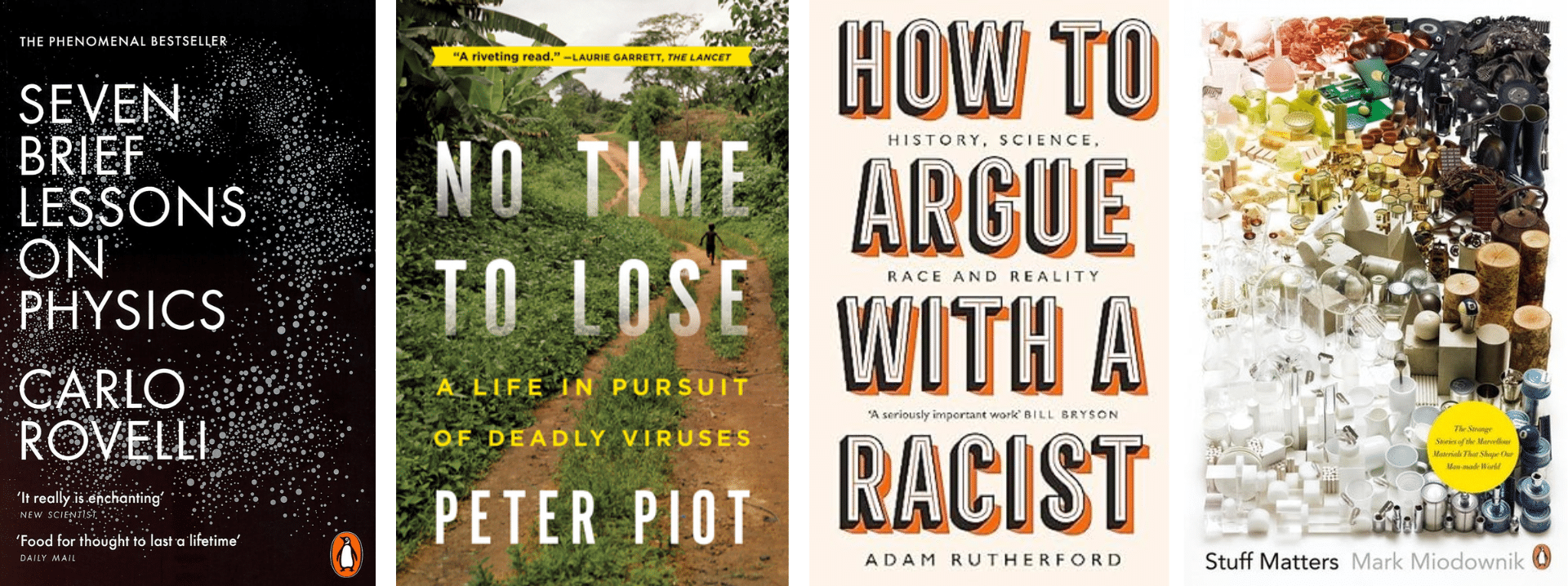
I struggled to get into reading for years afterwards, but becoming a teacher was the main reason I did; I wanted to be able to talk to my pupils about interesting Science beyond the curriculum and to help them with their university applications, so I picked up non-fiction in a subject I knew and loved – Science. I chose books based on the authors – they were all people I was already aware of either through television, radio or Science lectures I’d seen on YouTube.
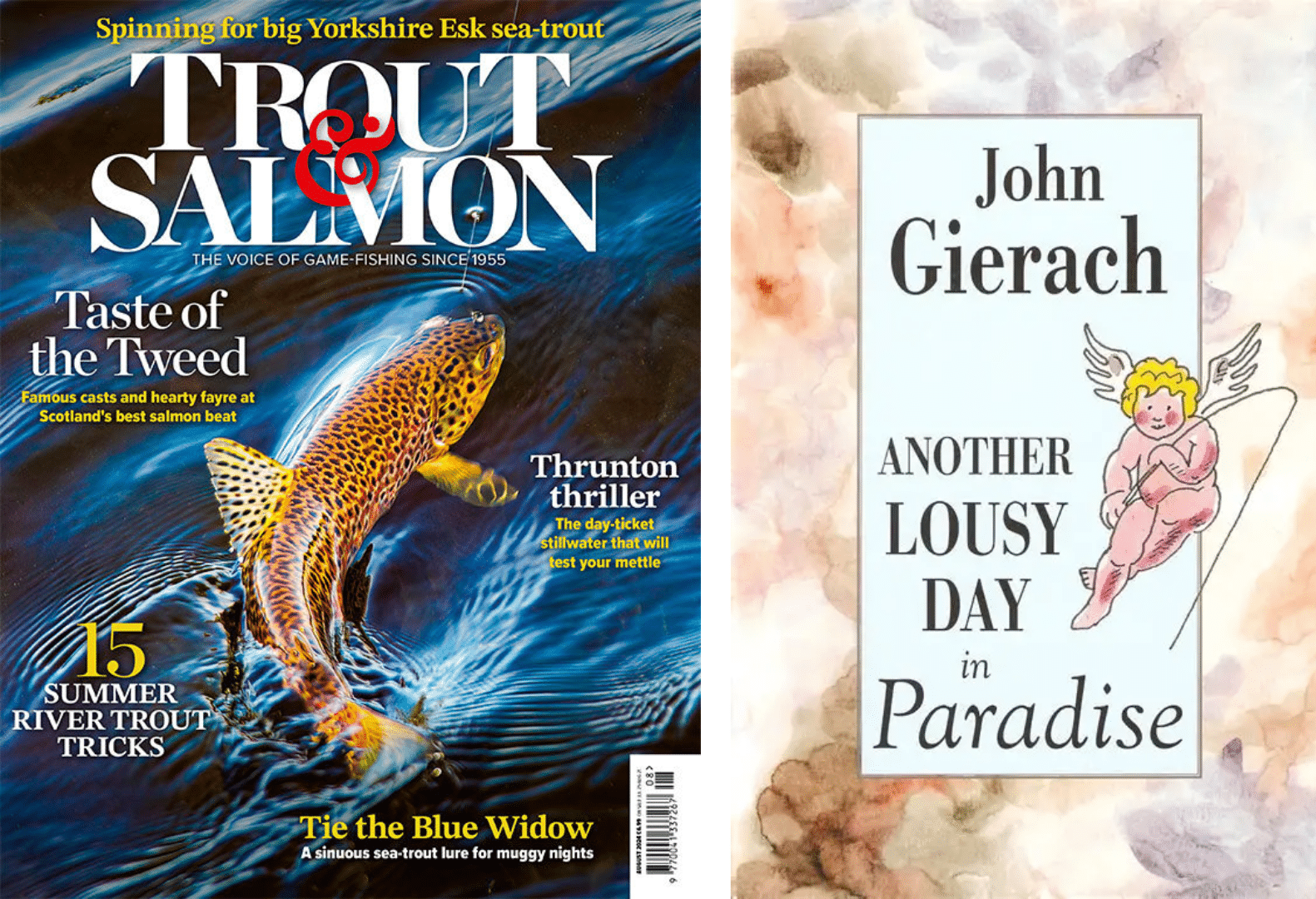
Reading around your interests is the focus of the National Year of Reading 2026. We are being asked to ‘go all in’ and try reading something related to an area of our lives where we already find enjoyment. That might be sport, politics, art, or maybe like me, fly fishing; Trout and Salmon magazine is now my go-to weekly read, and it is through this magazine that I have been introduced to other reading that I’ve enjoyed, such as this book by the author John Gierach; I very much recommend him to anyone at all interested in fishing.
As well as the content being inviting, another important consideration is the format of the reading, which doesn’t have to be in the form of a typical paperback book; it might well be a graphic novel, comic or magazine, or even an audio book. It might be a collection of short stories that can be dipped into when time is tight. To succeed with our plan of better promoting reading for pleasure, we need to appeal to the natural interests of our pupils, as well as making reading accessible to them in their daily lives.
Young people said that they are more likely to take an interest in reading if they are recommended reading by friends or teachers whose opinions they trust. They also said that seeing those they respect and look up to being genuinely positive about reading could help them engage more. On World Book Day our teachers were encouraged to wear a badge saying ‘Ask me about my favourite book’, to get the conversations started; here is what some of our teachers had to say when asked this question;
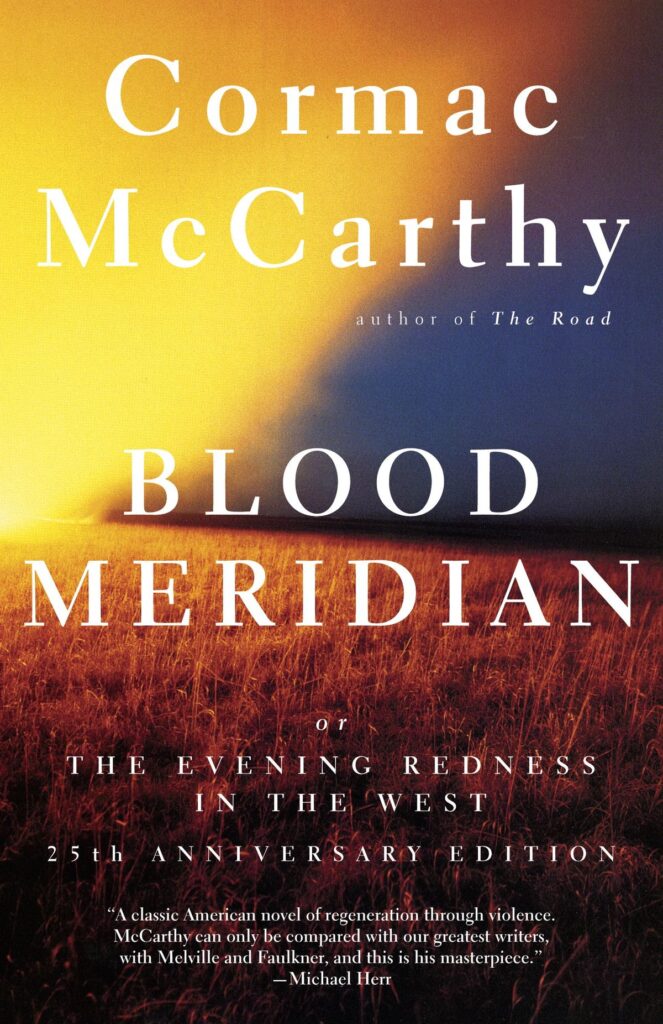

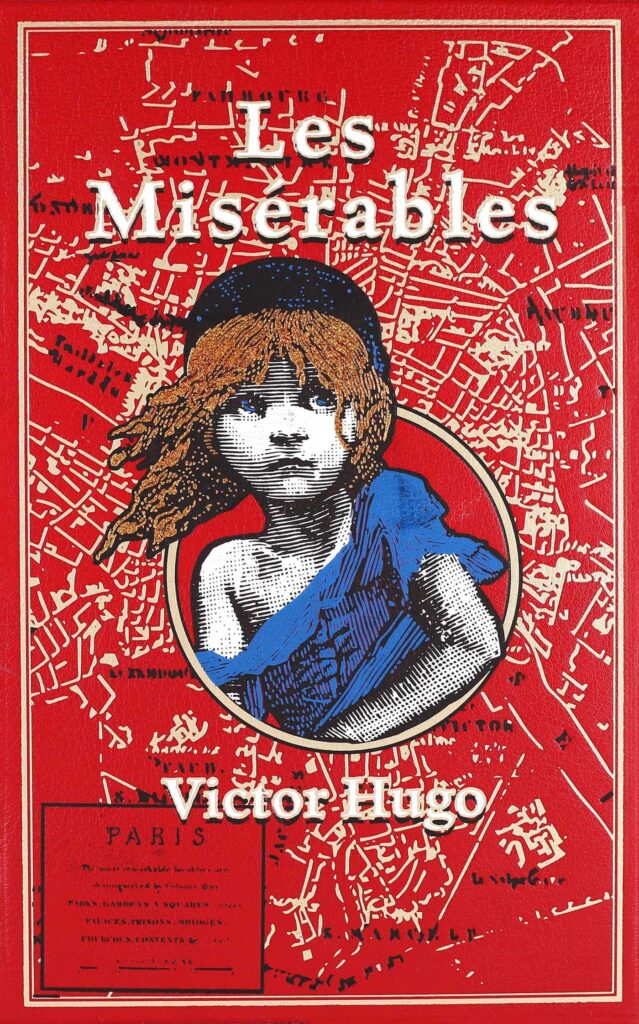
World Book Day may be over for this year, but our mission continues far beyond the 5th March. Here at Bradfield, we are going to continue working hard to foster a love of reading in all its forms, as we strive to make reading a natural part of everyday life.
https://assets.publishing.service.gov.uk/media/5a7c18d540f0b61a825d66e9/reading_for_pleasure.pdf
https://mhfaengland.org/mhfa-centre/blog/reading-good-mental-health/
https://journals.sagepub.com/doi/abs/10.1177/0961000610390992