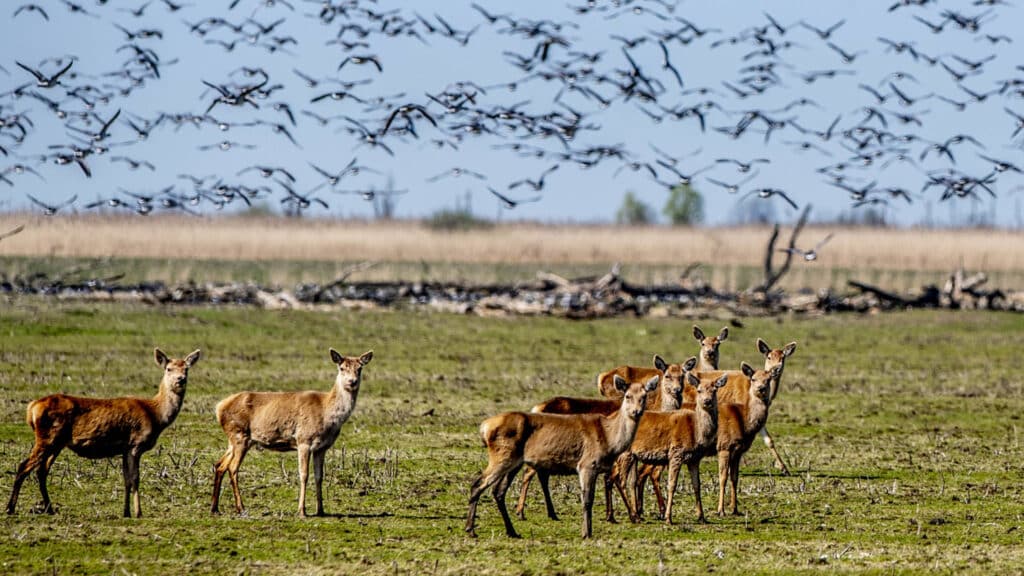
In his latest blog, Utopian and Dystopian Visions of the Future, Jeremy reflects on two strikingly different visions of the world our children may inherit. Drawing on ‘Wilding’ by Isabella Tree which describes how a Isabella and her husband returned nature to their family estate in Sussex, Jeremy explores the profound importance of young people forming a deep, lived connection with the natural world. In contrast, he considers the darker digital landscape outlined in Laura Bates’s recent work on online misogyny and artificial intelligence, highlighting the urgent need for protection and education in an increasingly virtual age. Ultimately, he asks what it means to prepare children for the future: to nurture authenticity over avatars, meaningful relationships over transactional encounters, and harmony with nature alongside confident, critical engagement with technology.
Attention, Anxiety and Being Yourself in a Noisy World
by Sarah Davies
13th February 2026
“The things that quietly restore you – music, walking, training, reading, cooking, sitting with a friend, moments without an audience – these are not distractions from real life. They are often clues to who you are beneath the performance. They don’t attract applause. But they do bring you back into alignment.”
Assistant Head (Safeguarding) Sarah Davies spoke in Chapel this week about how small, often overlooked moments of attention: a cup of tea, a piece of music, a quiet pause, can be surprisingly grounding in an increasingly noisy world. Drawing on ideas from writers such as Matt Haig, Stoic philosophy, and the Christian tradition, Sarah considered how constant busyness, comparison and overstimulation can distance us from our sense of self, particularly in high-pressure environments like schools. Rather than rejecting ambition or momentum, Sarah suggested that wellbeing and authenticity come from moments of stillness and attentiveness, which help us realign with what genuinely matters. The key message was simple but powerful: paying attention changes experience and sometimes, starting small is enough.
“Promoting a strong sense of wellbeing is dependent upon adopting an all-encompassing approach. Positive wellbeing is not something that can be ‘taught’ solely in the abstract or as a theoretical subject in the classroom. It is dependent upon the food that we put into our bodies, the exercise that we take, and our ability to live in harmony with the natural world. It is dependent upon our ability to be reflective and creative. It is dependent upon our ability to complement that part of us that is constantly striving with the ability to be still and live authentically in the moment.”
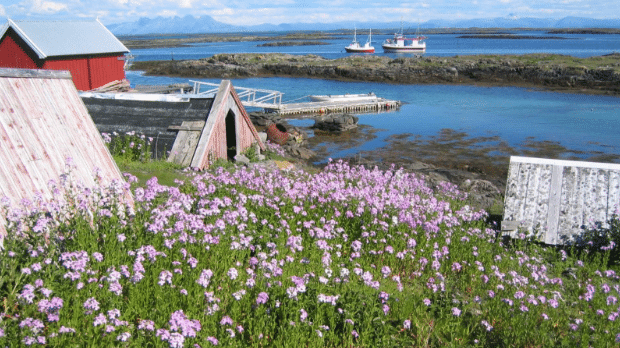
In this blog, Head Jeremy Quartermain reflects on the story of author James Rebanks, who left the pressures of modern life to spend a summer on a remote Norwegian island with a woman preserving the ancient tradition of caring for eider ducks. It is a powerful reminder of how easily we become disconnected from what truly matters when life becomes too busy and too loud.
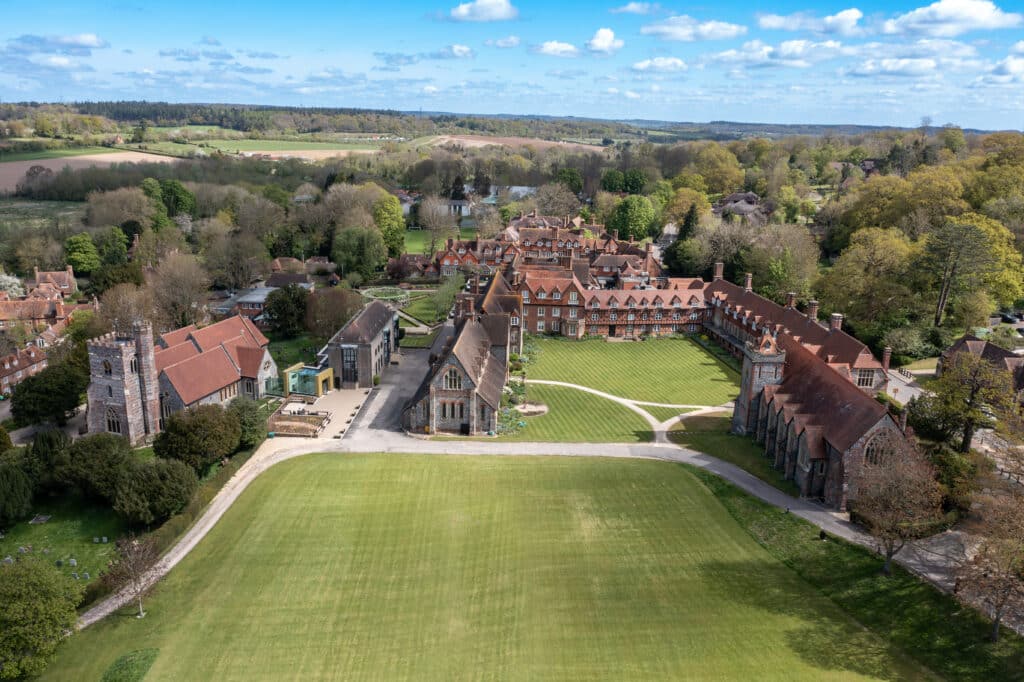
Jeremy links this story to life at Bradfield, where time in nature, creativity, reflection and community are central to young people’s wellbeing. True flourishing, he suggests, comes from balancing ambition with stillness, and learning to live thoughtfully in the moment, values that sit at the heart of the Bradfield experience.