Talking Therapies

At Bradfield, we have an on-site Talking Therapies team, which consists of Counsellors, Cognitive Behavioural Therapy (CBT) Therapists and Psychologists. All pupils are offered 8 free sessions of counselling, which can help them manage anything including homesickness, exam stress, relationships and grief. The film below introduces our Talking Therapies team, and provides insight into what they do, and how therapy and counselling has helped some of our pupils.
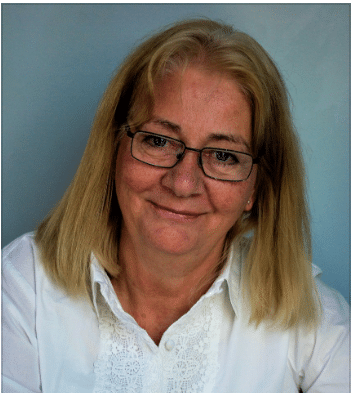
 

Meet the Talking Therapies Team

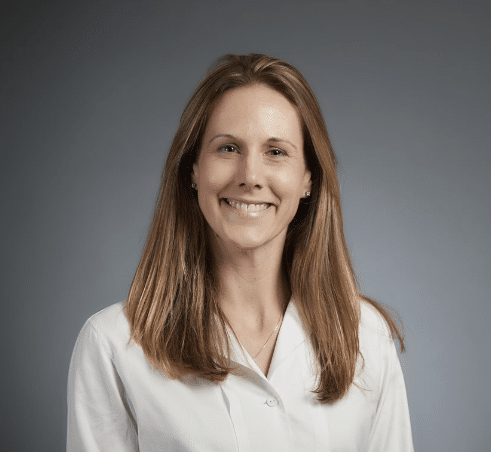
Lucy Willetts

Lucy is a chartered clinical psychologist and CBT therapist. She is the team lead for the talking therapies team, and has worked at Bradfield College for many years. She offers CBT (https://babcp.com/What-is-CBT) and EMDR (https://emdrassociation.org.uk/a-unique-and-powerful-therapy/children-adolescents/). These are structured therapies (where you can develop strategies) for managing a range of difficulties including anxiety, trauma and low mood.

“I offer evidence-based therapies that allow a young person to develop skills and tools so that they can ultimately manage and overcome their difficulties independently.”

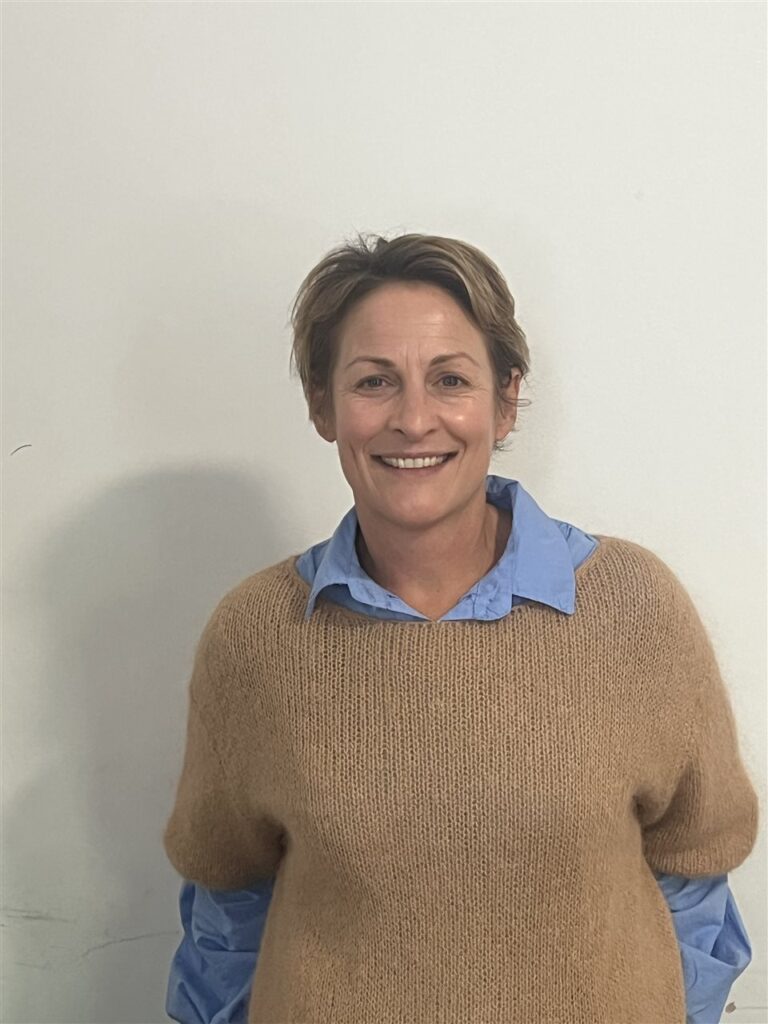
Sheila Gover

Sheila is a person-centred counsellor (https://www.bacp.co.uk/about-therapy/types-of-therapy/person-centred-counselling/es of therapy). Her background is acute mental health so she is used to working with people who have been diagnosed as suffering from various mental health issues such as being depressed, anxious, suicidal, hypomanic or psychotic.

“The joy of being person centred is that I am not so much concerned with diagnostic labels as the person. Each person who walks in the room brings the opportunity for us to form a relationship and work together on whatever they choose to address.”

Mike Stringer

Mike is a psychodynamic psychotherapist (https://www.psychoanalytic-council.org/about-psychotherapy/what-psychotherapy.html). He has worked for over five years in a multitude of settings and with people of all ages and qualities, making him experienced in a very wide range of issues, including anxiety (both general and specific), depression, relationship issues (partners, families, social groups), sexuality and sexual life, obsessional behaviours, addictive behaviours, repetitive and self-sabotaging patterns and actions and concerns about identity.

“The relationship between client and therapist is at the core of the psychodynamic approach, and building a trusting, warm yet boundaried relationship is key to forming a good working alliance.”

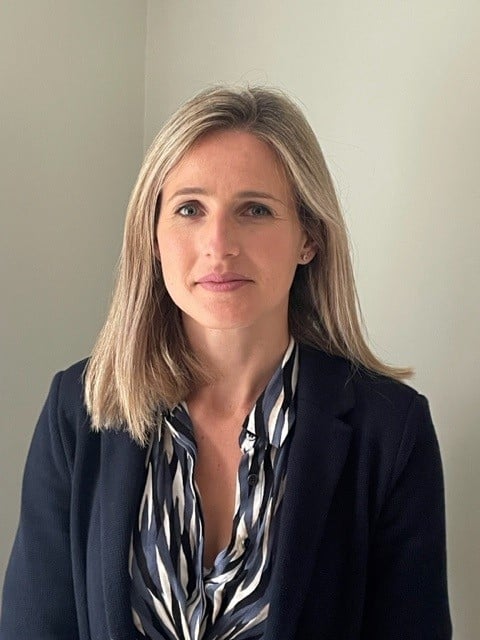
Susanne Hill

Susanne is an integrative counsellor/psychologist. Her passion for understanding the human psyche is what led her to train in areas such as Neurolinguistic Programming, Cognitive Behavioural Therapy as well as Psychotherapeutic Counselling, and as such in her practice, she uses an integrative approach (https://www.bacp.co.uk/about-therapy/types-of-therapy/integrative-counselling/).

“This means that I am able to tailor our work together to suit your needs. I use tools and insights from various schools of thought and as such you will find that we will find a holistic approach that suits you and is centred around your experiences.”

Charlotte Ruxton

Charlotte is a psychodynamic psychotherapist (https://www.psychoanalytic-council.org/about-psychotherapy/what-psychotherapy.html). She offers specialist support in the following areas: Feeling overwhelmed, Emotional Regulation, Anxiety, Stress, Loss, Covid-related worries, Anger, Relationship difficulties/changes, Trauma, Major life changes, Counter-productive coping strategies, (including but not limited to) self-harm, disordered eating, addiction.

“I believe my caring, honest and kind approach as a therapist leads to positive change within individuals. At the core of my approach is a belief that understanding our immediate/past experiences may enable us to make sense of difficult feelings or events, and spur future changes in our lives.”

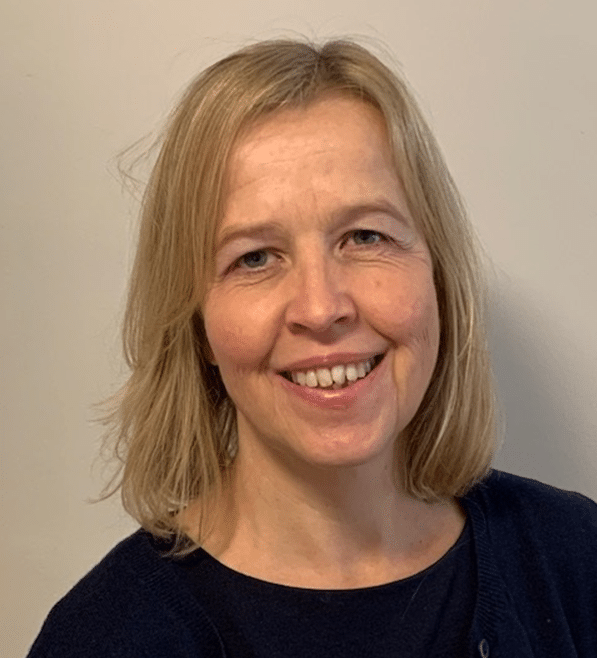
Emma Wyatt

Emma is a Cognitive Behavioural Therapist (CBT) (https://babcp.com/What-is-CBT). She offers a range of CBT interventions for anxiety difficulties and low mood. She has worked in a secondary school environment for the last 23 years as a science teacher and pastoral tutor, and has used CBT to help young people with a variety of difficulties, including anxiety and low mood.

“I really enjoy working with young people and their families using this approach and have found that it works really well. My aim is to enable young people to learn and independently use these strategies both at the time of therapy and also in the future.”

Jemima Walsh

Jemima is an Integrative Therapist (https://www.bacp.co.uk/about-therapy/types-of-therapy/integrative-counselling/) trained in Person-Centred and Psychodynamic approaches. Using an integrative approach enables her to adapt her therapeutic model to suit her client’s needs.

“Sometimes life can be challenging for young people and I believe that by simply talking to a therapist in a safe, confidential and trusting environment can be profoundly helpful. I also strongly believe in the power of being actively listened to by someone in a safe and non-judgemental space. For me, the relationship between client and therapist is key to a successful outcome. Forming a solid relationship can empower clients to delve deeper into issues they maybe facing and help a client to improve the way they relate to others.”

Laura Allum

Laura works as an Integrative Therapist (https://www.bacp.co.uk/about-therapy/types-of-therapy/integrative-counselling/) drawing upon a variety of therapeutic modalities, including Person-Centred therapy and Psychodynamic theory to help clients develop coping skills, gain insight into their patterns of thinking and behaving, and in turn building greater resilience. In addition, she has extended my training and skills with a post graduate diploma in Trauma Informed Therapy which uses the three phased model for survivors of trauma in recovery.

“My ultimate goal is to create a supportive and compassionate environment where pupils and clients feel truly heard, understood, and accepted.”